



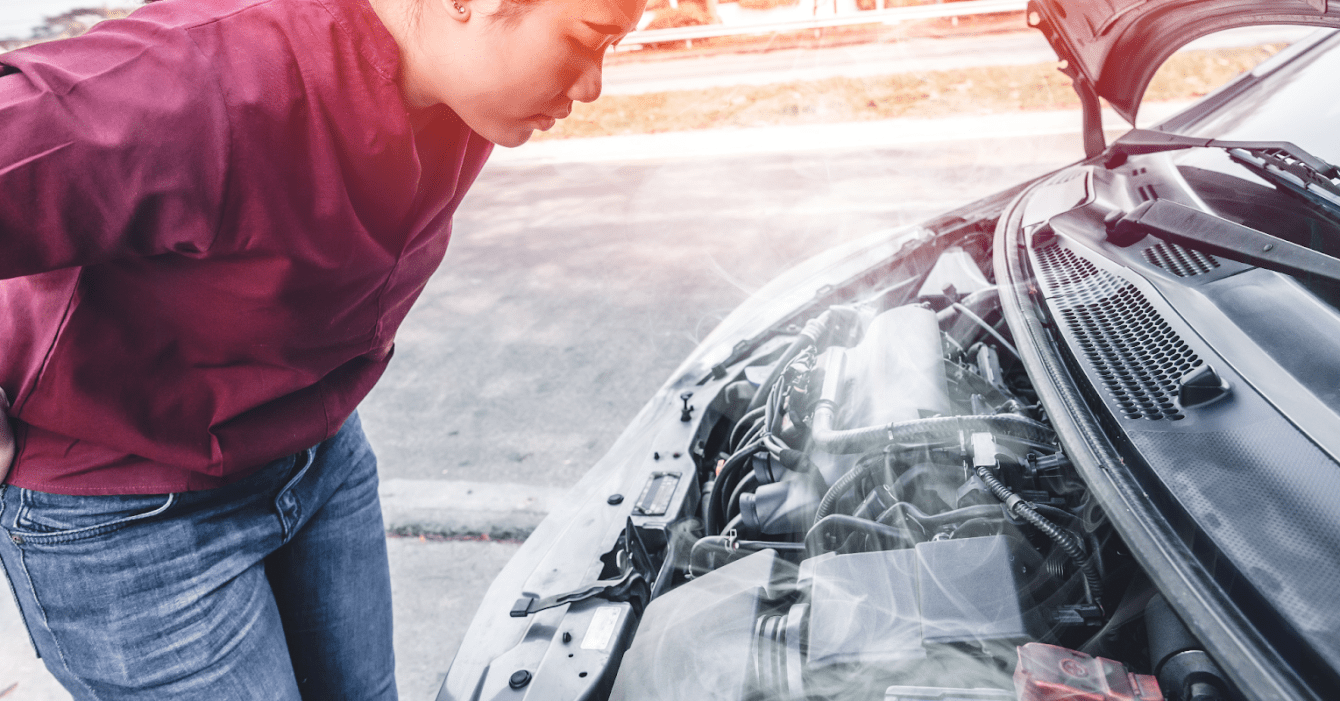
Picture this:
You’re trapped in the heart of KL’s notorious lunch-hour traffic, sweating under the relentless afternoon sun.
And suddenly your car’s temperature gauge starts to shoot up. Panic sets in. The engine’s wellbeing hangs in the balance.
You remember that recent service chat with your mechanic: “Your radiator coolant is running low. Are you sure you don’t need a top-up?” You hesitated, deciding to consult another friend where he then adviced for you to wait.
Fast forward to now.
In this blog post, we unveil the essence of radiator coolant, its vital role, how to choose the perfect coolant for your vehicle, and maintaining it to prevent any more future crisis that you’re currently facing or prevent it from haunting someone you know.
So, what’s Radiator Coolant all about?
Radiator coolant, also known as antifreeze, is a specially formulated liquid that circulates through your vehicle’s cooling system to regulate engine temperature.
It’s typically a mixture of water and chemicals that prevent freezing in cold weather and boiling in hot conditions. But its role goes beyond temperature regulation; it also provides corrosion protection and lubricates the water pump.
You could even say it’s your engine’s literal lifeline; silently working behind the scenes to make sure everything in your engine runs smoothly.
Why is Radiator Coolant your unsung hero?
Temperature Regulation
The primary function of coolant is to absorb and dissipate excess heat generated by your engine. Without it, your engine would quickly overheat, leading to severe damage or even engine failure.
In short? Preventing engine meltdown.
Freeze Protection
In cold weather, coolant prevents the water in your engine from freezing, which can cause significant damage to the cooling system, such as cracked radiators and frozen pipes.
Even if you own vehicles in warmer countries, the antifreeze property in coolant also prevents your stationary vehicles from external overheating.
Corrosion Prevention
Coolant contains additives that protect the various metal components in your engine’s cooling system from corrosion, extending their lifespan.
Lubrication
The water pump in your vehicle’s cooling system, which circulates coolant, needs lubrication to function correctly.
Coolant ensures seamless flow by providing this necessary lubrication.
Choosing the Right Radiator Coolant

Now that you are more familiar with the importance of coolant,
How do you pick the right coolant according to you vehicle brand and model?
Selecting the appropriate coolant for your vehicle is essential to ensure optimal performance and longevity of your engine.
But how do you know which one is the right one for your vehicle when there are so many types and brands being marketed outside?
Don’t worry.
Here are some factors to consider:
Coolant Type
There are different types of coolants available, including ethylene glycol-based and propylene glycol-based.
Check your vehicle’s owner’s manual or consult with a mechanic to determine the right type for your specific brand and model.
Mixing Ratio
Some coolants come pre-mixed with water at a ratio of 50/50, while others are fully concentrated which may require dilution for usage.
Make sure you understand the mixing ratio recommended for your vehicle.
Ideally opt for Reverse Osmosis Water as a diluter when mixing and avoid using tap water due to its high mineral content which can lead to future issues like corrosion.
Anti-Corrosion Additives
Look for coolants that contain corrosion inhibitors and additives to protect your engine’s cooling system components.
Coolant Technology
There are 3 main types of coolant technology available in the market:
- Organic Additive Technology (OAT),
- Inorganic Additive Technology (IAT) and
- Hybrid Organic Additive Technology (HOAT).
*Read more on these technologies in our other blog post where we go further in depth on each of these technologies.
Check your vehicle’s owner’s manual or consult with a coolant specialist or mechanic to determine the right type for your specific brand and model.
Maintaining Your Radiator Coolant
To ensure your radiator coolant continues to do its job effectively, follow these maintenance tips:
Regular Inspections
Check your coolant level and condition regularly. If it appears discolored or contaminated, it may be time to flush and replace it.
Flush and Replace
Over time, coolant can break down and lose its effectiveness.
Follow your vehicle manufacturer’s recommended interval for coolant replacement, ideally once a year to keep your engine in tip top condition.
Top-Up When Needed
If you notice a drop in the coolant level, top it up with the same type and mix recommended for your vehicle.
Keep It Clean
Make sure the coolant reservoir and radiator are free from debris and contaminants to prevent clogs and blockages.
Conclusion
In your urban daily driving, radiator coolant is your unsung hero, working diligently to maintain your engine’s well-being, especially during those sweltering traffic jams.
Take action today: research and select the ideal coolant for your car, consult your vehicle’s manual or seek advice from professionals, and prioritize regular coolant maintenance.
For more valuable car care tips and insider insights into the automotive industry, dive into our other blog posts included in our website.
Your journey to becoming a car care pro starts here!
Explore a world of automotive knowledge and stay updated with the latest trends by following our social media accounts:
Facebook Page: Valiantech Sdn Bhd
Instagram Account: @valiantech.official
Join our community of car enthusiasts and stay in the driver’s seat when it comes to vehicle maintenance and care.